
Imagine a seasoned sports bettor, initially relying on gut feelings and lucky streaks, consistently facing unpredictable results. Then, they started meticulously recording every wager, transforming a chaotic guessing game into a strategic pursuit. This is the power of bet tracking.
Bet tracking is not just about logging wins and losses; it’s the cornerstone of a profitable sports betting strategy. It’s the critical shift from guesswork to a data-driven approach, turning hunches into informed decisions. This article aims to equip you with the knowledge and tools you need to track your bets effectively, analyze your performance, and ultimately, boost your winnings. By embracing bet tracking, you’ll move beyond the realm of chance and step into a world where every bet contributes to a clearer, more profitable picture. There’s also a feeling of accomplishment that comes with seeing progress.
Why Track Your Bets?
Imagine navigating a complex maze blindfolded. That’s what betting without tracking is like. You’re throwing money into the void without a clear understanding of where it’s going or what’s working. The benefits of bet tracking are numerous, but they all boil down to one core principle: informed decision-making.
Here’s why diligent bet tracking is crucial for any serious bettor:
- Improved Decision-Making: Bet tracking transforms hunches into hard data, providing a clear picture of your betting performance. Knowing what works and what doesn’t allows you to refine your strategy and make smarter bets.
- Identifying Strengths and Weaknesses: Are you a wizard at predicting football outcomes but struggle with basketball? Tracking reveals your areas of expertise and where you need to improve or avoid altogether.
- Maximize Profitability: By pinpointing profitable betting niches and eliminating losing strategies, you can steadily increase your returns. You’ll see in which leagues or bet types you are more suitable.
Let’s say you’ve been casually betting on various sports for a year. Without tracking, you might feel like you’re roughly breaking even. But with detailed records, you might discover that your bets on underdogs in tennis matches are consistently profitable, while your parlays on major league baseball are draining your bankroll. This insight allows you to focus on the tennis bets and ditch the baseball parlays, significantly improving your overall betting profits.
Failing to track your bets mean you are walking in circles. It’s like trying to bake a cake without a recipe, you might get something edible, but the odds aren’t in your favor. Embrace the power of data, start tracking, and watch your betting acumen.
Essential Metrics to Monitor
To elevate your betting game, it’s crucial to move beyond casual wagers and start tracking your performance with key performance indicators (KPIs). These metrics offer invaluable insights into your strengths, weaknesses, and overall profitability. Forget gut feelings; let the numbers guide your strategy.
Win Rate: This is simply the percentage of bets you win. Calculated as (Number of Wins / Total Number of Bets) 100. A higher win rate suggests a strong ability to pick winning outcomes, but it doesn’t tell the whole story. You need to consider the odds you’re betting on.
Return on Investment (ROI): This is a crucial metric, as it reflects the overall profitability of your betting activities. It’s calculated as ((Total Profit / Total Amount Bet) 100). A positive ROI indicates profit, while a negative ROI signals losses. Aim for a consistent positive ROI over the long term.
Average Odds: The average odds you bet on influence your potential payout and risk. Tracking this helps you understand if you’re consistently betting on favorites or underdogs. Knowing your average odds can refine your betting strategy.
Profit/Loss Analysis Per Bet Type: Break down your betting results by bet type (e.g., Moneyline, spread, over/under). This reveals which bet types are most profitable for you and where you could be leaking money. Identify patterns and focus on your strengths while minimizing losses in less profitable areas.
Consistently monitoring these betting KPIs provides a clear overview of your results, revealing trends and patterns that would otherwise go unnoticed. This data-driven approach allows for informed adjustments to your betting strategies, ultimately increasing your chances of long-term success. It’s not about getting lucky; it’s about getting smarter.
Understanding Variance and Bankroll Management
Even with a sound strategy, random chance, known as variance, plays a significant role in betting. Variance refers to the inevitable fluctuations in your results due to luck, both good and bad. A losing streak doesn’t necessarily mean your strategy is flawed; it could just be a period of negative variance.
Effective bankroll management is your shield against the storms of variance. It involves determining an appropriate bankroll size relative to your betting style, risk tolerance, and the odds you typically bet. A conservative approach suggests risking only 1-5% of your bankroll on each bet, while more aggressive strategies might involve risking 5-10%. Remember, chasing losses is a surefire way to deplete your funds.
To make your bankroll grow faster, you should find valuable odds, which are odds that are valued higher than their real probability. For example, if you think that probability of some team winning is 60%, you shouldn’t bet if odds are lower than 1.66. If you manage to find a lot of valuable odds, then you do not need large initial bankroll to start.
Here’s an example of possible bankroll allocations:
- Conservative: If you want slow and steady growth, start with at least 100 bets worth of money. For example, if you want to place bets of $10, your starting bankroll should be around $1000.
- Aggressive: If you like higher-risk betting, start with at least 50 bets worth of money. For example, if you want to place bets of $20, your starting bankroll should be around $1000.

Choosing the Right Tracking Method
Effectively managing your bets requires a robust tracking system. Several options exist, each with distinct advantages and drawbacks. The ideal choice hinges on your betting volume, technical proficiency, and budget.
Bet Tracking Spreadsheets
Spreadsheets, like those created in Microsoft Excel or Google Sheets, offer a customizable and cost-effective solution. Users can tailor columns to capture crucial data points such as bet type, odds, stake, outcome, and profit/loss. Pros: Free (assuming you already have spreadsheet software), highly adaptable, and provides complete control over data. Cons: Manual data entry can be time-consuming and prone to errors. Limited automation and reporting capabilities compared to dedicated software.
Dedicated Bet Tracking Software
Numerous software applications are specifically designed for bet tracking. These platforms often automate data import (sometimes through API integration with bookmakers), offer advanced reporting features, and provide visual analytics. Pros: Streamlined data entry, comprehensive reporting, and potential for identifying betting patterns. Cons: Can be costly (subscription fees or one-time purchase), may have a learning curve, and the level of customization might be restricted.
Bet Tracking Apps
Mobile bet tracking apps provide convenience for on-the-go recording of bets. Many apps offer similar features to dedicated software, including win/loss calculations, performance charts, and bankroll management tools. Pros: Easy accessibility, user-friendly interface, and often includes social features for sharing bets with friends. Cons: Functionality may be limited compared to desktop software, potential security concerns (depending on the app’s developer), and reliance on a mobile device.
Ultimately, the “best” way to track bets is subjective. Experiment with different methods to find the solution that best aligns with your individual needs and betting style. Free templates of tracking spreadsheets can be found online. Also, research free trials of bet tracking software and apps to evaluate their features before committing to a paid subscription.
Setting Up Your Tracking System
Ready to take control of your betting and transform gut feelings into calculated strategy? Setting up a robust bet tracking system is the first, crucial step. Whether you opt for a simple spreadsheet, a dedicated app, or even a handwritten log, the core principles remain the same.
Step 1: Choose Your Weapon. Select the method that best suits your style and tech-savviness. A spreadsheet offers flexibility, while apps provide convenience and automation. A notebook? It’s tangible and distraction-free. There’s no right or wrong answer.
Step 2: Define Your Categories. Think about what data matters most to you. At a minimum, you’ll want columns or fields for date, sport, bet type (e.g., moneyline, spread), stake, odds, and result (win/loss/push). But don’t stop there. Consider adding categories like the bookmaker used, specific league or tournament, or even your confidence level in the bet. The more granular you are, the richer the insights you’ll gain later.
Step 3: Data Entry is King. Consistency is paramount. Develop a routine for recording your bets immediately after they’re placed (and after they settle), so you don’t rely on memory. Be meticulous with your data entry; even small errors can skew your analysis. Also, consider developing a naming convention for your trackers, e.g. “BetTracker_Football_2024” so you never confuse the correct data.
Step 4: Customize Your View. Make your tracking system work for you. In a spreadsheet, use conditional formatting to highlight winning bets or identify trends. In an app, explore customization options for displaying data and generating reports. The goal is to create a system that’s easy to understand and provides actionable insights at a glance.
With your tracking system in place, you’re no longer just placing bets; you’re collecting data. And that data is the key to unlocking a more profitable and informed betting journey.
Analyzing Your Betting Data
Unlock the full potential of your betting activities by diving deep into data analysis. Examining your betting data is essential for identifying what works, what doesn’t, and where you can enhance your strategies.
Identifying Trends and Patterns
Start by compiling all your betting records, including bet types, amounts, odds, and outcomes. Look for recurring trends. Are you more successful with certain sports or bet types? Do specific odds ranges yield better results? Spotting these patterns can point you toward your strengths and weaknesses.
Turning Insights into Action
Once you’ve identified trends, use them to inform your future betting decisions. For example, if you notice a higher success rate with over/under bets in soccer, consider focusing more on that type of bet. Adjust your stake sizes based on your confidence level. If your data shows that bets placed after thorough research are more successful, dedicate more time to pre-bet analysis.
Practical Examples of Data-Driven Decisions
Imagine your data reveals a consistent loss when betting on impulse. Implementing a rule to postpone bets for a day can decrease impulsive actions, potentially improving results. Similarly, if your records show a certain tipster consistently fails to deliver profitable tips, it’s wise to reconsider following their advice.
Advantages of Good Data Analysis
Effective data analysis transforms betting from a game of chance into a strategic endeavor. It provides clarity, reduces emotional decision-making, and highlights opportunities. By scrutinizing your betting history, you gain a competitive edge, allowing for more informed and strategic wagering.
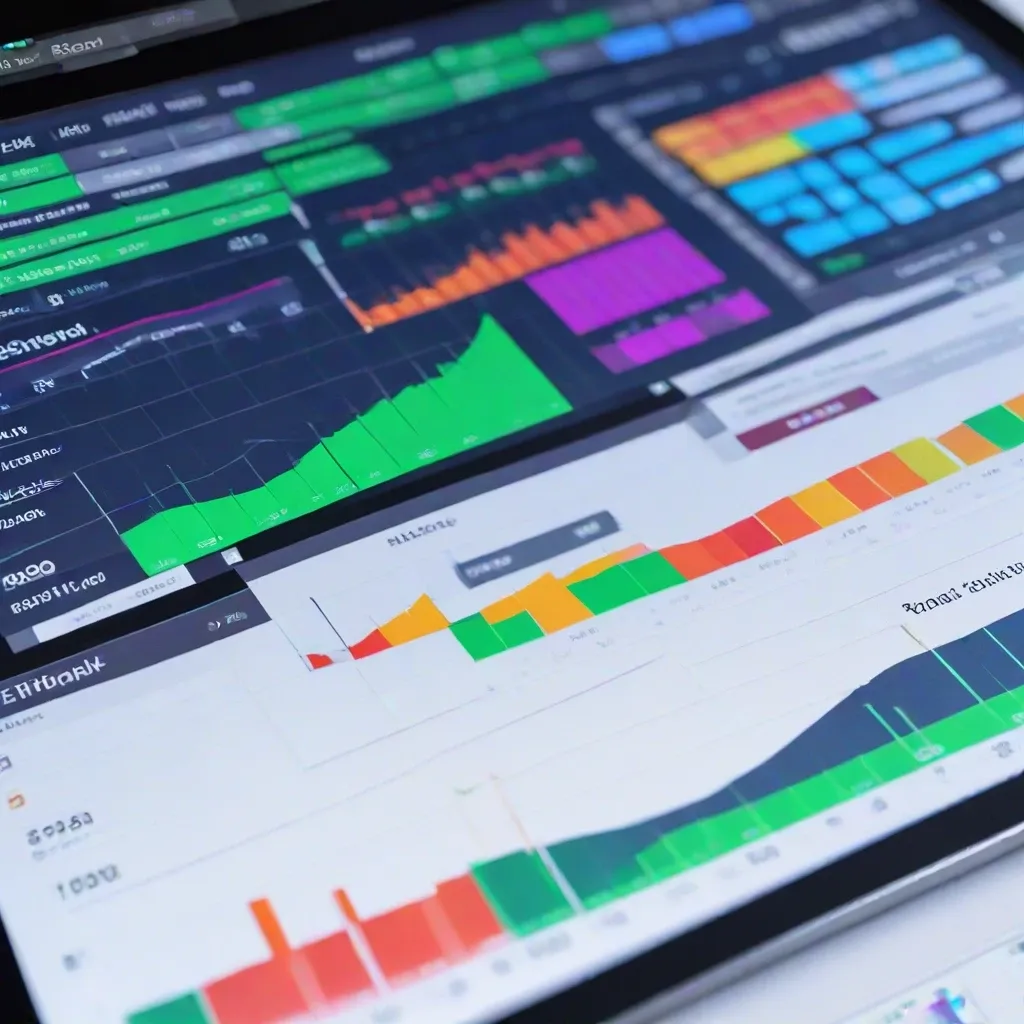
Advanced Tracking Techniques
Beyond basic win/loss records, serious bettors delve into advanced tracking techniques to gain a deeper understanding of their performance and identify areas for improvement.
Calculating expected value (EV) is a crucial step. EV represents the average profit or loss you can expect from a bet if you were to place it multiple times. While the precise formula can vary, it essentially involves multiplying the potential profit by the probability of winning and subtracting the potential loss multiplied by the probability of losing. A positive EV indicates a potentially profitable bet in the long run. For example, imagine assessing a football match, you estimated that team A has a 60% chance to win, and the bookmaker is offering odds of 1.8. The EV would be calculated as (0.6 (1.8-1)) – (0.4 1) = 0.08 or 8%. This means that for every $100 wagered on this bet, the expected profit is $8.
Another valuable metric is closing line value (CLV). CLV compares the odds you obtained when you placed your bet to the odds just before the event started (the “closing line”). Consistently beating the closing line suggests you possess an edge in your handicapping abilities. For example, if you bet on a team at odds of 2.1, and the odds shorten to 1.9 by the time the event begins, you have positive CLV. This suggests that the market eventually agreed with your assessment, indicating a sharp bet.
It’s important to acknowledge the limitations. Analyzing variance – the degree to which actual results deviate from expected results – is essential. Even with a positive EV and consistent CLV, short-term results can fluctuate significantly due to variance. Moreover, the validity of these statistics hinges on the integrity of the odds. There’s always a risk of manipulation or external factors influencing the closing line. Despite these limitations, utilizing these advanced tracking methods provides a more sophisticated and data-driven approach to optimizing betting strategy and enhancing betting analytics.
Maintaining Consistency and Avoiding Common Pitfalls
Consistent bet tracking is the cornerstone of informed betting, but it’s also where many stumble. The path to profitability is paved with accurate records and disciplined habits. Without consistency, it’s like navigating a ship without a compass—you might drift aimlessly, unaware of your true position and progress.
One major hurdle is inaccurate data entry. A simple typo can skew your entire analysis, leading to misguided decisions. Double-check every entry, and consider using spreadsheet software with built-in validation rules to minimize errors.
Emotional betting is another dangerous pitfall. When emotions dictate your bets, rationality goes out the window. Resist the urge to chase losses or bet impulsively on your favorite teams. Stick to your strategy, even when it’s tough. Regularly scheduled reminders can help to reinforce those commitments.
Procrastination and mental fatigue often lead to inconsistent tracking. Set specific times each day or week to update your records. Break down the task into smaller, manageable chunks. If you feel overwhelmed, just focus on entering the most recent bets and catch up on the rest later. Consider using calendar reminders or bet tracking apps to provide regular prompts.
Finally, neglecting data analysis renders all your tracking efforts worthless. Don’t just record your bets; analyze them! Look for patterns, identify your strengths and weaknesses, and use these insights to refine your strategy.
Conclusion
Embarking on the bet tracking journey transforms the betting experience from a game of chance to a strategic pursuit. The insights gained from meticulous record-keeping and thoughtful analysis serve as the foundation for improving betting profits and achieving consistent results. This data-driven approach empowers bettors to identify strengths, correct weaknesses, and refine strategies for long-term success.
The path from novice to seasoned bettor involves continuous learning and adaptation. Embracing bet tracking is about more than just recording wins and losses; it’s about understanding the ‘why’ behind every outcome. This understanding unlocks the potential to maximize returns and achieve ambitious betting goals.
The journey doesn’t end here. With a solid foundation in bet tracking, the possibilities are endless. One could develop proprietary models, explore niche markets, or even build a career as a betting analyst. The power of data, combined with a disciplined approach, creates opportunities to reach new heights.